BERLIN | COLLEGIUM HUNGARICUM | GERMANY
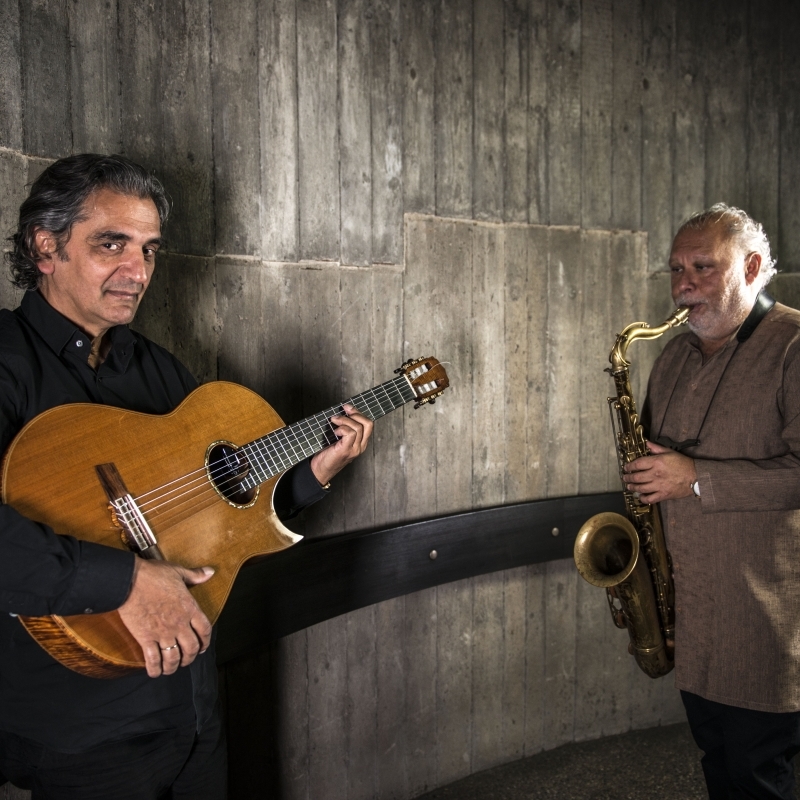
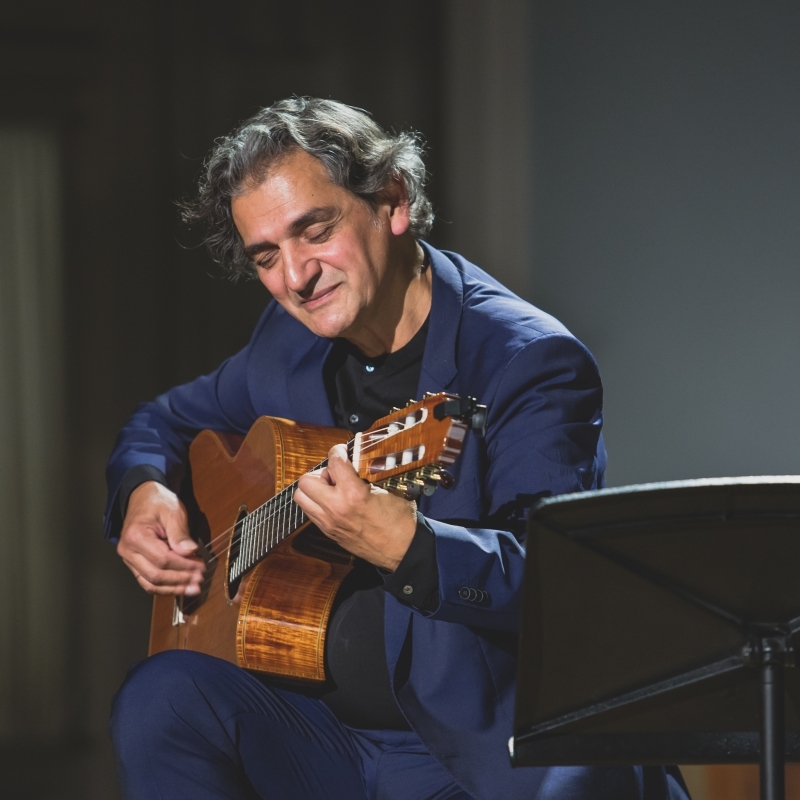
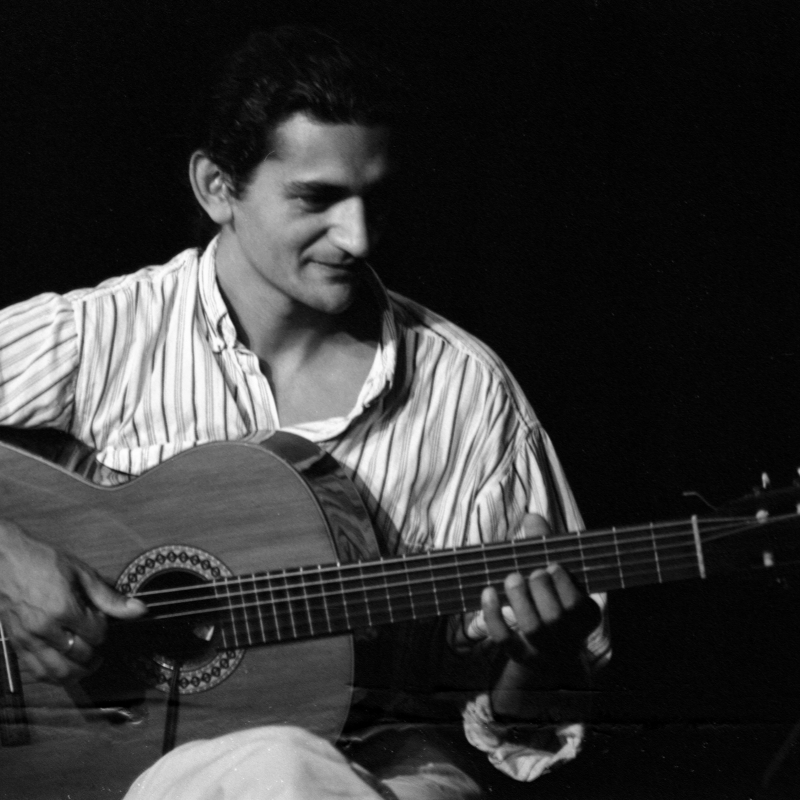
FERENC SNÉTBERGER
with guest musicians from the Snetberger Music Talent Center
with guest musicians from the Snetberger Music Talent Center
February 06, 2026 (Friday) | 19:00
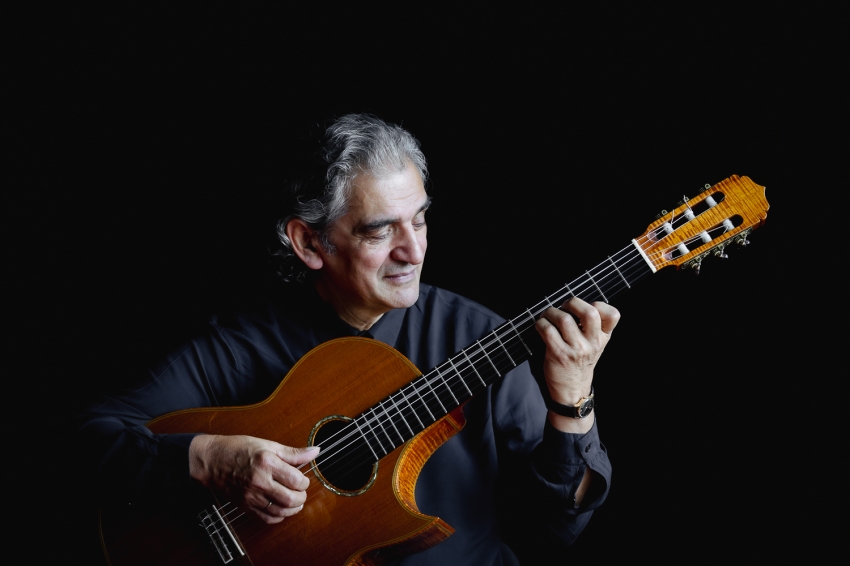
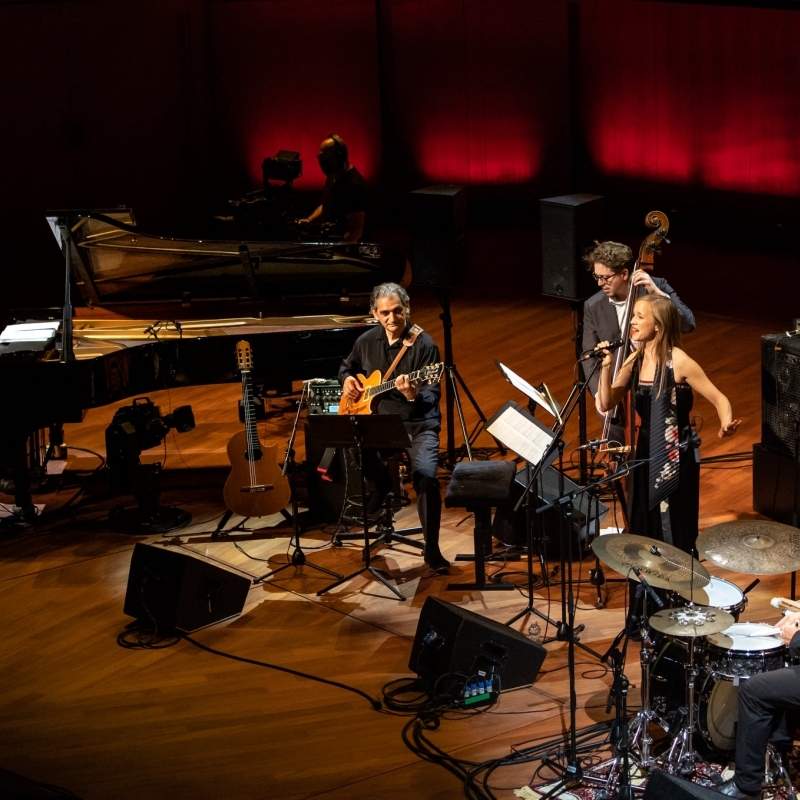
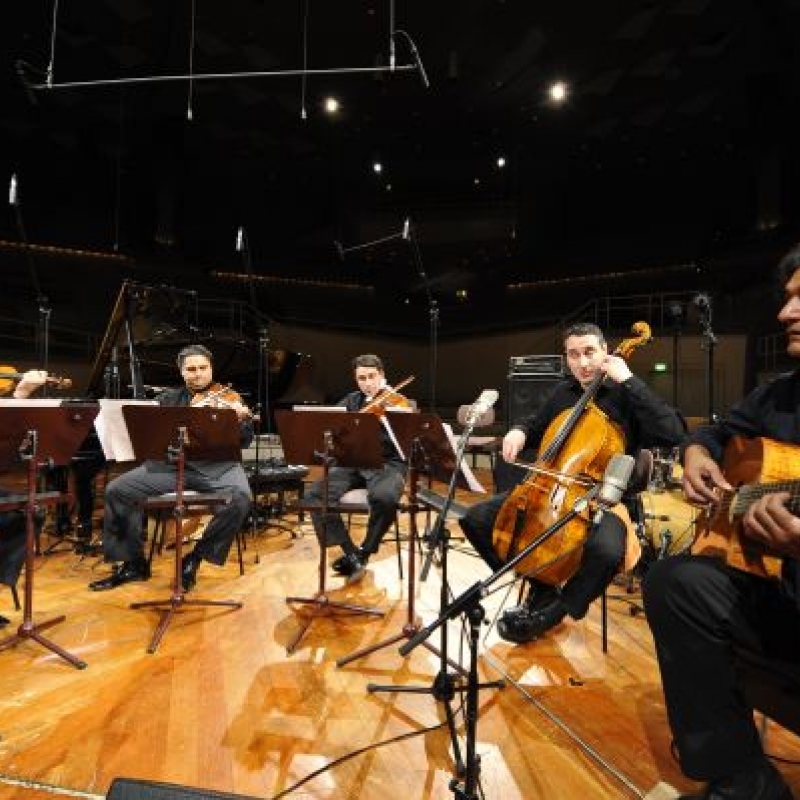
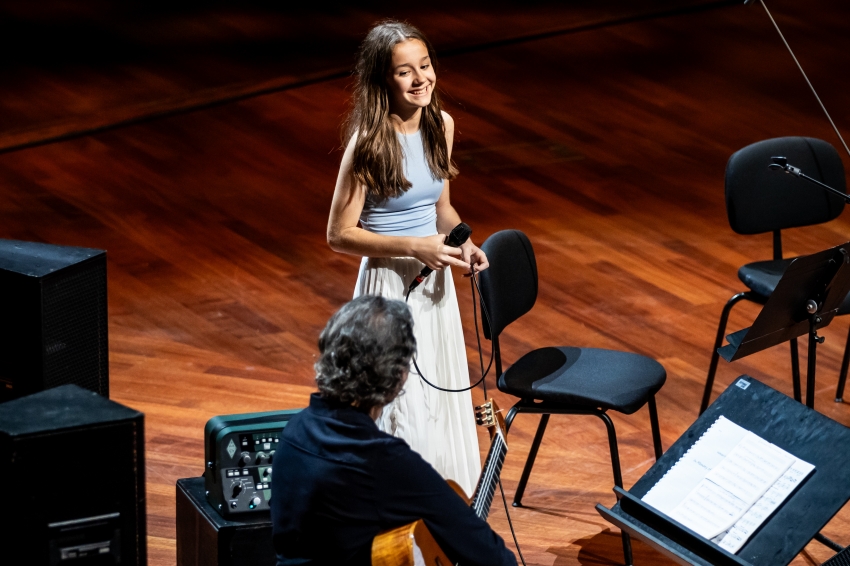
© Szivia Csizi, Müpa Budapest
Description
Klassik
Ferenc Nagy - piano
Jazz
Zsolt Farkas - piano
Géza Jónas - db-bass
Toni Snétberger - drums
Flora Bakonszegi - voice
Máté Balogh- saxophone
In 2026, the Snétberger Music Talent Center, dedicated to supporting highly gifted but socially disadvantaged young people, will celebrate its 15th anniversary. The Collegium Hungaricum has supported the center's work for many years. We will mark this anniversary with an extraordinary concert that also celebrates Ferenc Snétberger's birthday.
In 2011, he founded the Snétberger Music Talent Center (www.snetbergercenter.org). The initiative supports musically talented children from disadvantaged backgrounds.
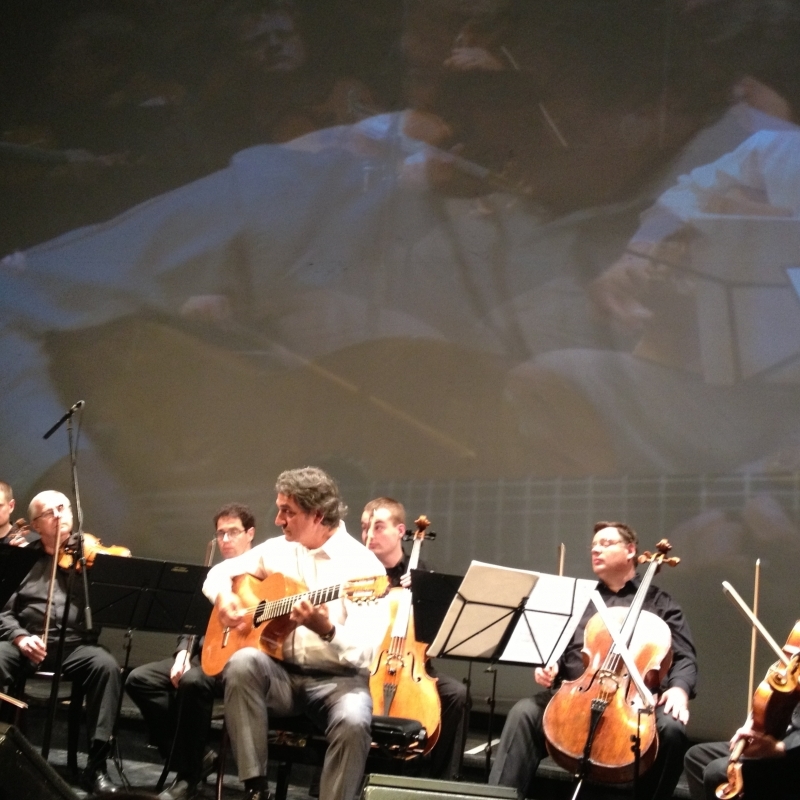
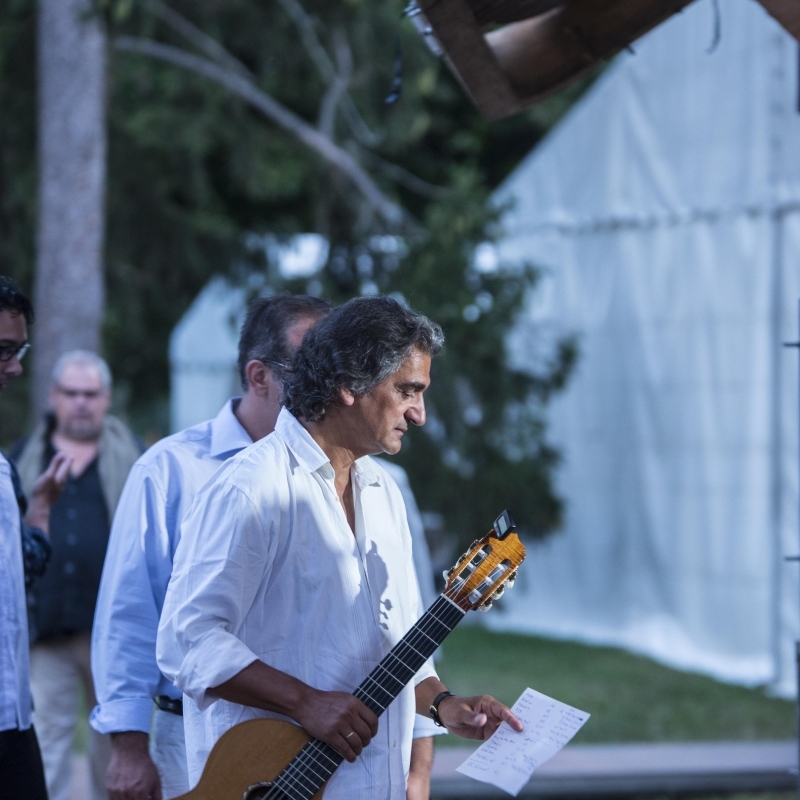
Snétberger will perform as a soloist and together with talents from his center.
UK review
Snétberger really is the complete guitarist, with classical baroque, Brazilian, Flamenco, jazz, tango and free styles all secure under his fingertips. His tone is immaculate, the recording sound sublime and the sense of relaxation and freedom along with such lightly-worn virtuosity makes this a thoroughly absorbing and pleasure-filled hour of music.
Peter Bacon, The Jazz Breakfast
US review
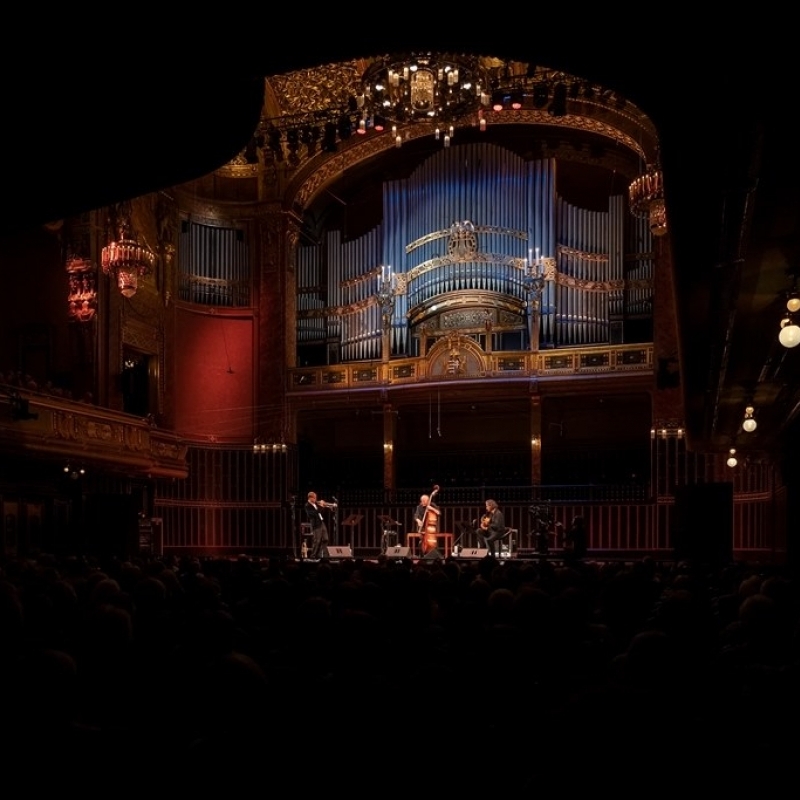
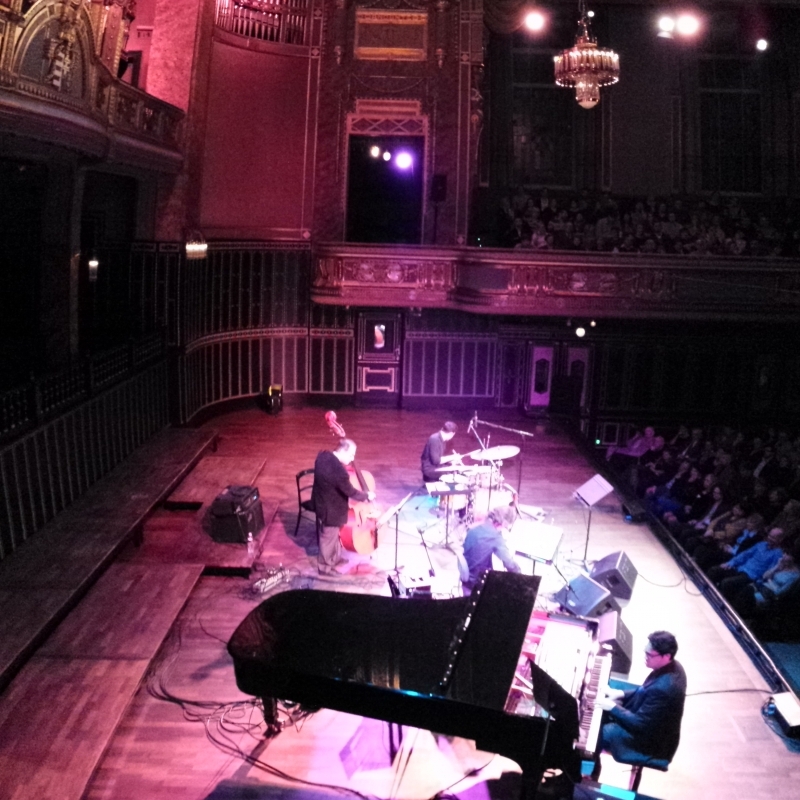
Here’s a gorgeous album by guitarist Ference Snetberger, who’s caught in a concert at Budapest’s Franz Liszt Academy of Music. He plays classical guitar here, and uses it in a variety of luscious moods. None of the titles are given a title, simply numbered as a “part” of a great whole. Rich classic sounds in “1”, rich Spanish fragrances in “3”, a dancing samba in “4” and hints of flamenco in “5” all include patience in his picking, strumming and touch. Wonderful spaciousness on the dreamy “8” , with the entire concert making you want to create your own impressionistic titles. A joy to the ears.
George W. Harris, Jazz Weekly
US review
It’s easy to hear the influence of Jim Hall in Snétberger’s more straight-ahead jazz playing, and it’s tempting at times to compare him to former ECM guitarist Pat Metheny, another Hall acolyte. But Snétberger’s command of flamenco, Gypsy jazz, and other syles, his ability to stitch these together so seamlessly, and the deceptively effortless manner in which he plays make it clear that this is a singular talent.
Greg Cahill, Acoustic Guitar
France
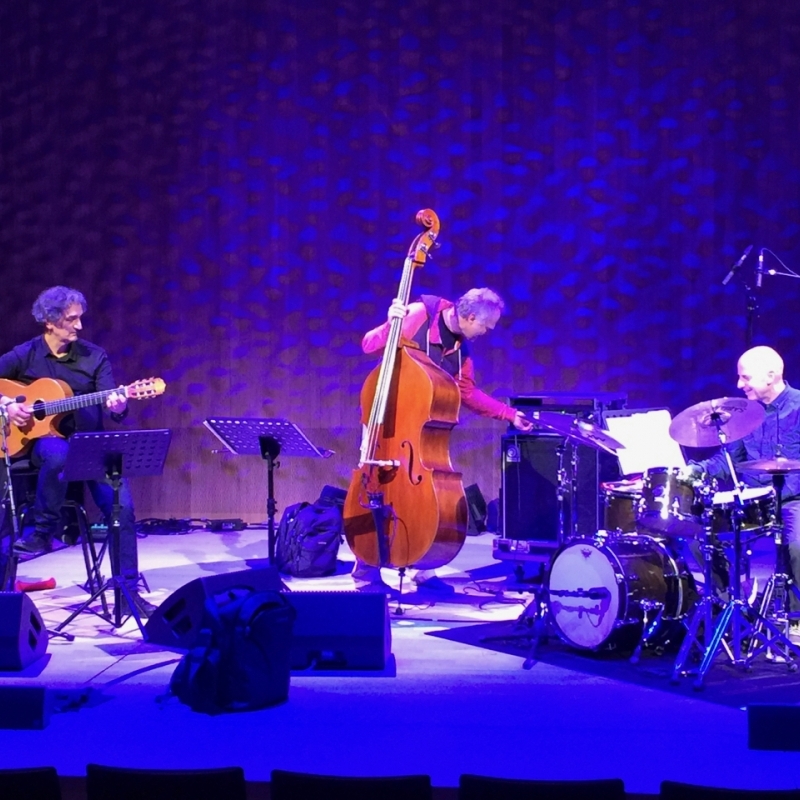
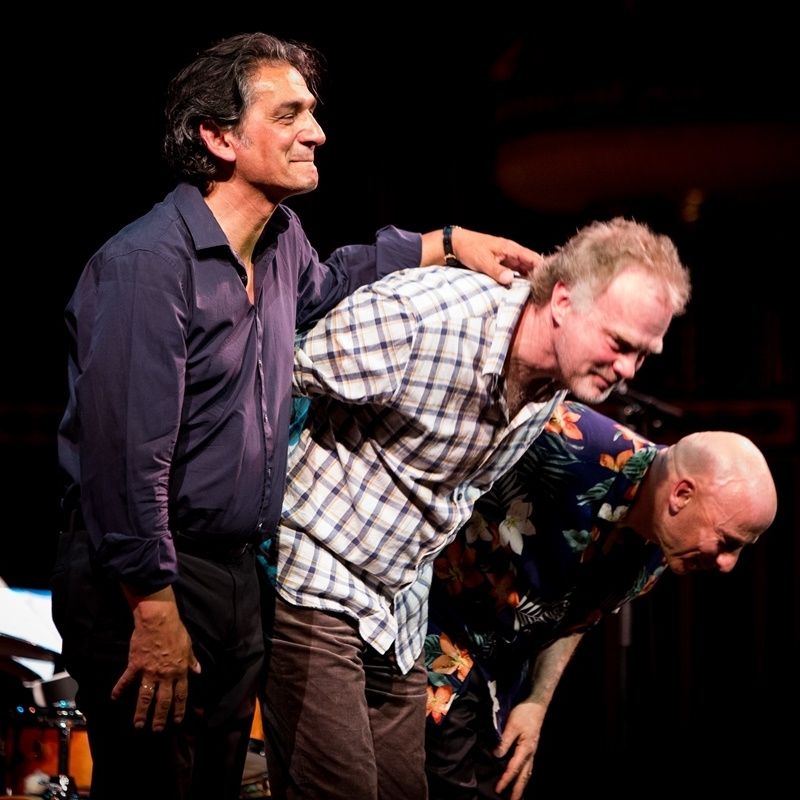
Ferenc Snétberger fait partie de ces rares guitaristes (avec Federico Casagrande), capables de développer des structures complexes, d’une exigence technique considérable, avec une aisance et une délicatesse dans l’interprétation qui en révèlent d’abord l’aspect mélodique. Accompagné du suédois Anders Jormin à la contrebasse et l’américain Joey Baron à la batterie, il réalise ici une œuvre toute en subtilités, finesse et profondeur.
C’est le fondateur d’ECM, Manfred Eicher, qui souffla à Ferenc Snétberger l’idée de réunir les trois musiciens, d’abord pour trois concerts en Hongrie, puis lors d’une session studio organisée dans la foulée avec le producteur allemand aux commandes. Il eut également un rôle décisif dans le choix des morceaux et l’ordre à donner à l’ensemble. Au programme, cinq titres entièrement improvisés : « Cou Cou », « Titok », « Clown », « Rush » et « Inference », auxquels s’ajoutent d’anciens titres de Snétberger « Kék Kerék » et quelques pièces écrites exclusivement pour le trio : « Rambling », « Fairytale » et « Leolo » (que la contrebasse illumine).
Treize titres au cours desquels la magie du trio opère immédiatement, comme une évidence. L’interaction entre la guitare et la contrebasse est permanente, et sur cette voix à 10 cordes, Joey Baron fait bien plus que d’ajouter du rythme : il suit les pérégrinations improvisées de ses compagnons, extrait la part mélodique de ses cymbales et de ses toms qu’il effleure parfois pour apporter sa propre voix à l’ensemble. Un soin particulier est accordé à l’esthétique acoustique, ce qui participe à la clarté de l’œuvre et en libère davantage l’expression. Quand une ré est aussi judicieuse, elle produit une unité, une personnalité musicale immédiatement reconnaissable, et en l’occurrence un disque plus que recommandable.
» Raphaël Benoit, citizenjazz
Ferenc Nagy - piano
Jazz
Zsolt Farkas - piano
Géza Jónas - db-bass
Toni Snétberger - drums
Flora Bakonszegi - voice
Máté Balogh- saxophone
In 2026, the Snétberger Music Talent Center, dedicated to supporting highly gifted but socially disadvantaged young people, will celebrate its 15th anniversary. The Collegium Hungaricum has supported the center's work for many years. We will mark this anniversary with an extraordinary concert that also celebrates Ferenc Snétberger's birthday.
In 2011, he founded the Snétberger Music Talent Center (www.snetbergercenter.org). The initiative supports musically talented children from disadvantaged backgrounds.
Snétberger will perform as a soloist and together with talents from his center.
UK review
Snétberger really is the complete guitarist, with classical baroque, Brazilian, Flamenco, jazz, tango and free styles all secure under his fingertips. His tone is immaculate, the recording sound sublime and the sense of relaxation and freedom along with such lightly-worn virtuosity makes this a thoroughly absorbing and pleasure-filled hour of music.
Peter Bacon, The Jazz Breakfast
US review
Here’s a gorgeous album by guitarist Ference Snetberger, who’s caught in a concert at Budapest’s Franz Liszt Academy of Music. He plays classical guitar here, and uses it in a variety of luscious moods. None of the titles are given a title, simply numbered as a “part” of a great whole. Rich classic sounds in “1”, rich Spanish fragrances in “3”, a dancing samba in “4” and hints of flamenco in “5” all include patience in his picking, strumming and touch. Wonderful spaciousness on the dreamy “8” , with the entire concert making you want to create your own impressionistic titles. A joy to the ears.
George W. Harris, Jazz Weekly
US review
It’s easy to hear the influence of Jim Hall in Snétberger’s more straight-ahead jazz playing, and it’s tempting at times to compare him to former ECM guitarist Pat Metheny, another Hall acolyte. But Snétberger’s command of flamenco, Gypsy jazz, and other syles, his ability to stitch these together so seamlessly, and the deceptively effortless manner in which he plays make it clear that this is a singular talent.
Greg Cahill, Acoustic Guitar
France
Ferenc Snétberger fait partie de ces rares guitaristes (avec Federico Casagrande), capables de développer des structures complexes, d’une exigence technique considérable, avec une aisance et une délicatesse dans l’interprétation qui en révèlent d’abord l’aspect mélodique. Accompagné du suédois Anders Jormin à la contrebasse et l’américain Joey Baron à la batterie, il réalise ici une œuvre toute en subtilités, finesse et profondeur.
C’est le fondateur d’ECM, Manfred Eicher, qui souffla à Ferenc Snétberger l’idée de réunir les trois musiciens, d’abord pour trois concerts en Hongrie, puis lors d’une session studio organisée dans la foulée avec le producteur allemand aux commandes. Il eut également un rôle décisif dans le choix des morceaux et l’ordre à donner à l’ensemble. Au programme, cinq titres entièrement improvisés : « Cou Cou », « Titok », « Clown », « Rush » et « Inference », auxquels s’ajoutent d’anciens titres de Snétberger « Kék Kerék » et quelques pièces écrites exclusivement pour le trio : « Rambling », « Fairytale » et « Leolo » (que la contrebasse illumine).
Treize titres au cours desquels la magie du trio opère immédiatement, comme une évidence. L’interaction entre la guitare et la contrebasse est permanente, et sur cette voix à 10 cordes, Joey Baron fait bien plus que d’ajouter du rythme : il suit les pérégrinations improvisées de ses compagnons, extrait la part mélodique de ses cymbales et de ses toms qu’il effleure parfois pour apporter sa propre voix à l’ensemble. Un soin particulier est accordé à l’esthétique acoustique, ce qui participe à la clarté de l’œuvre et en libère davantage l’expression. Quand une ré est aussi judicieuse, elle produit une unité, une personnalité musicale immédiatement reconnaissable, et en l’occurrence un disque plus que recommandable.
» Raphaël Benoit, citizenjazz
More information
Map
Video
Photo gallery
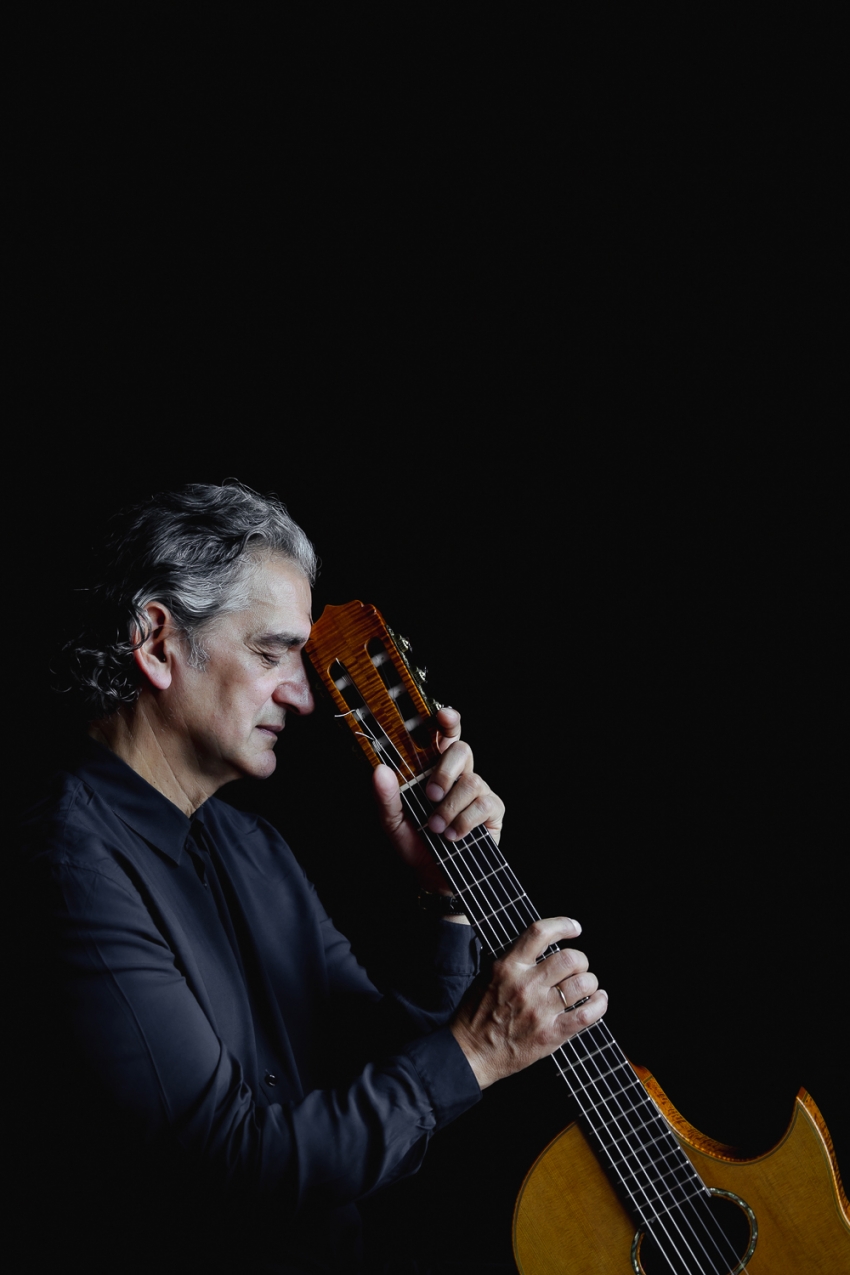
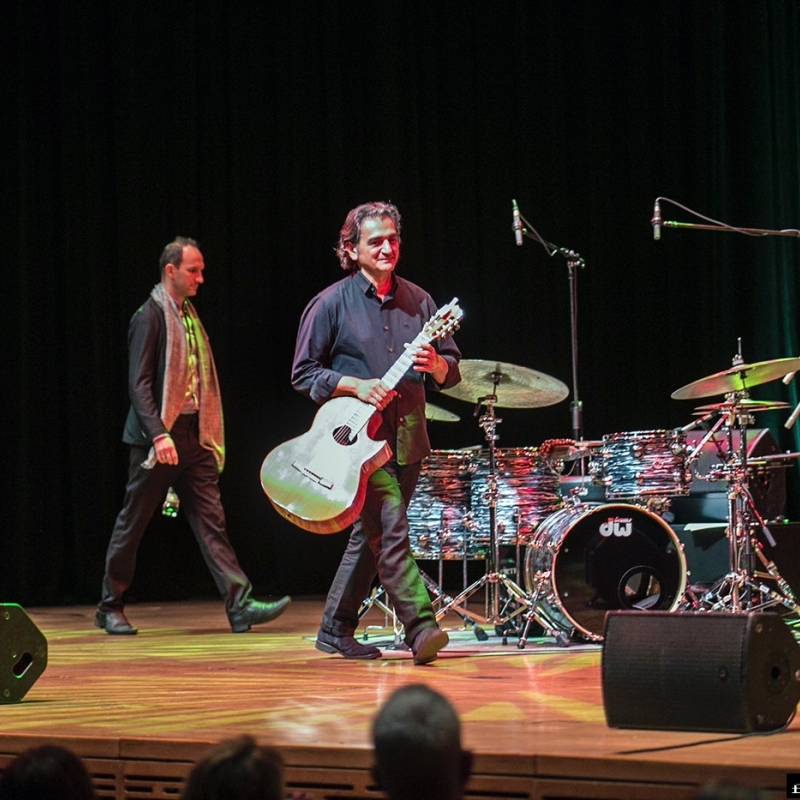
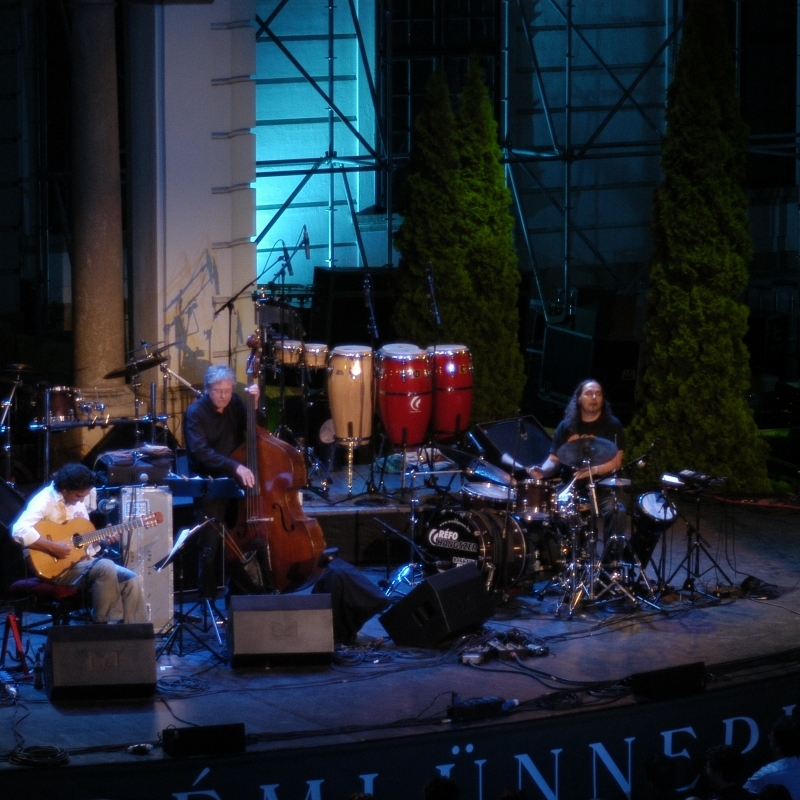
© Szilvia Csizi, Müpa Budapest
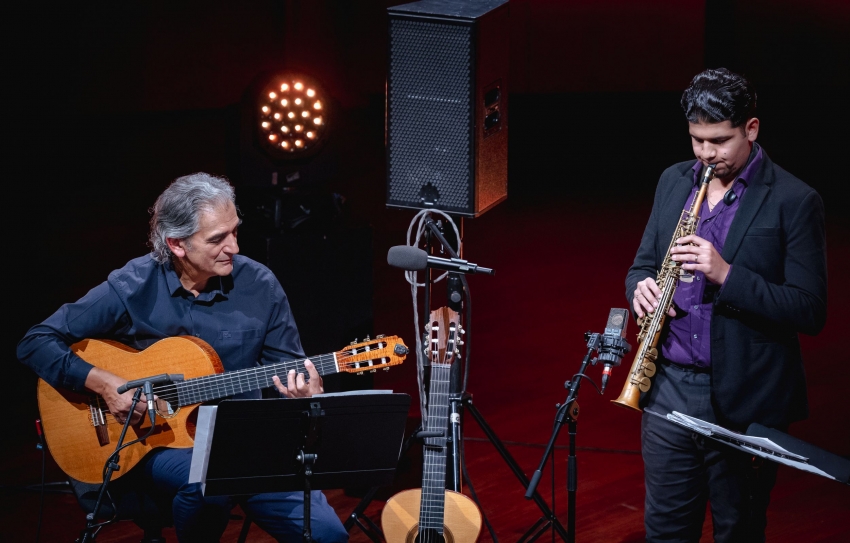
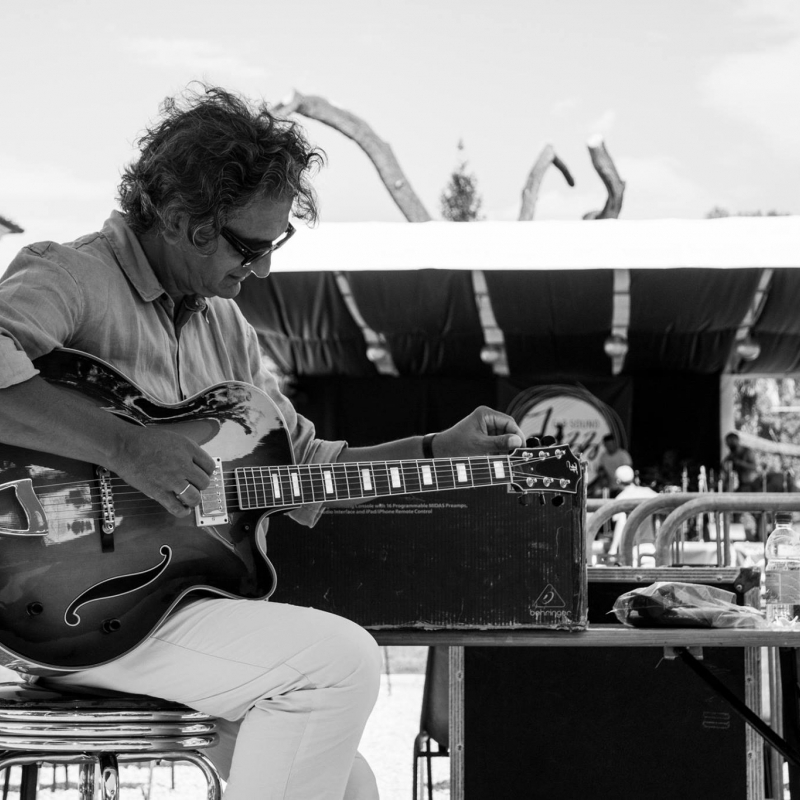
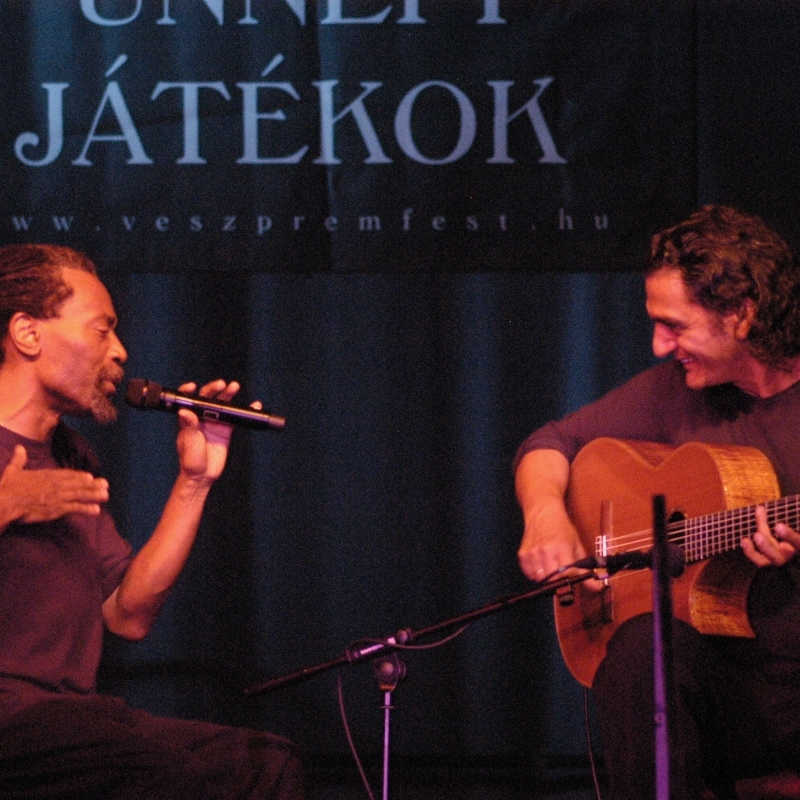
© Balint Hirling, Müpa Budapest
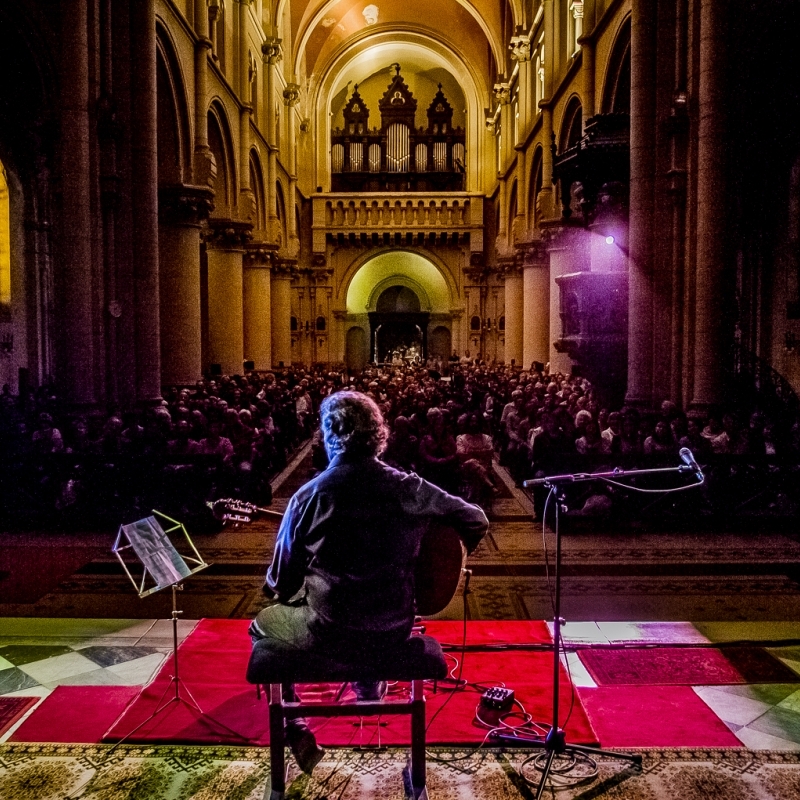
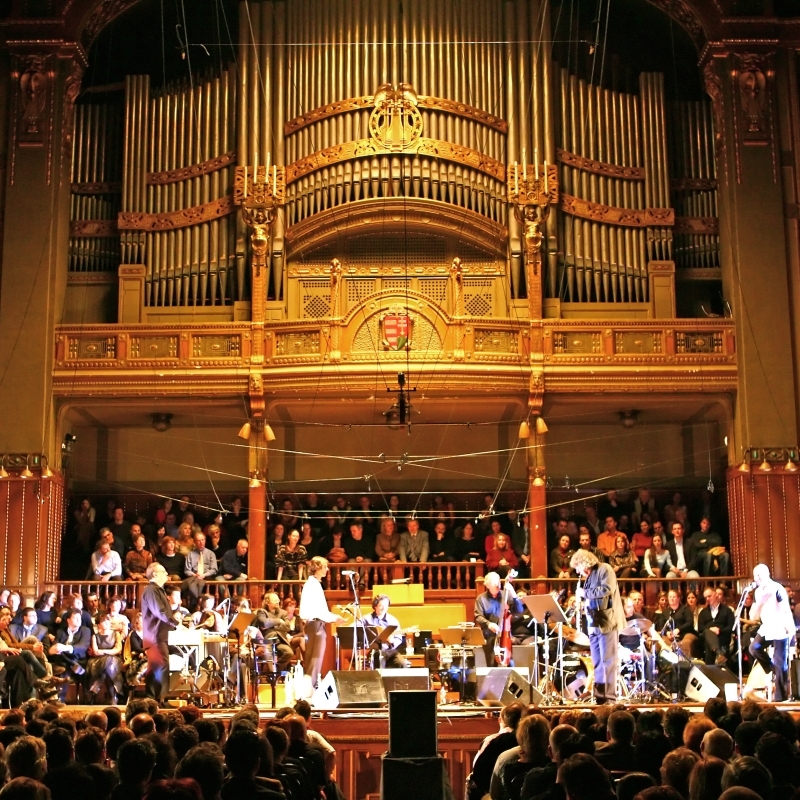
© Szilvia Csizi, Müpa Budapest